In this terribly broken world, we cannot help but wonder: why cannot we control, why cannot we mitigate, why cannot we turn back the forces of evil?
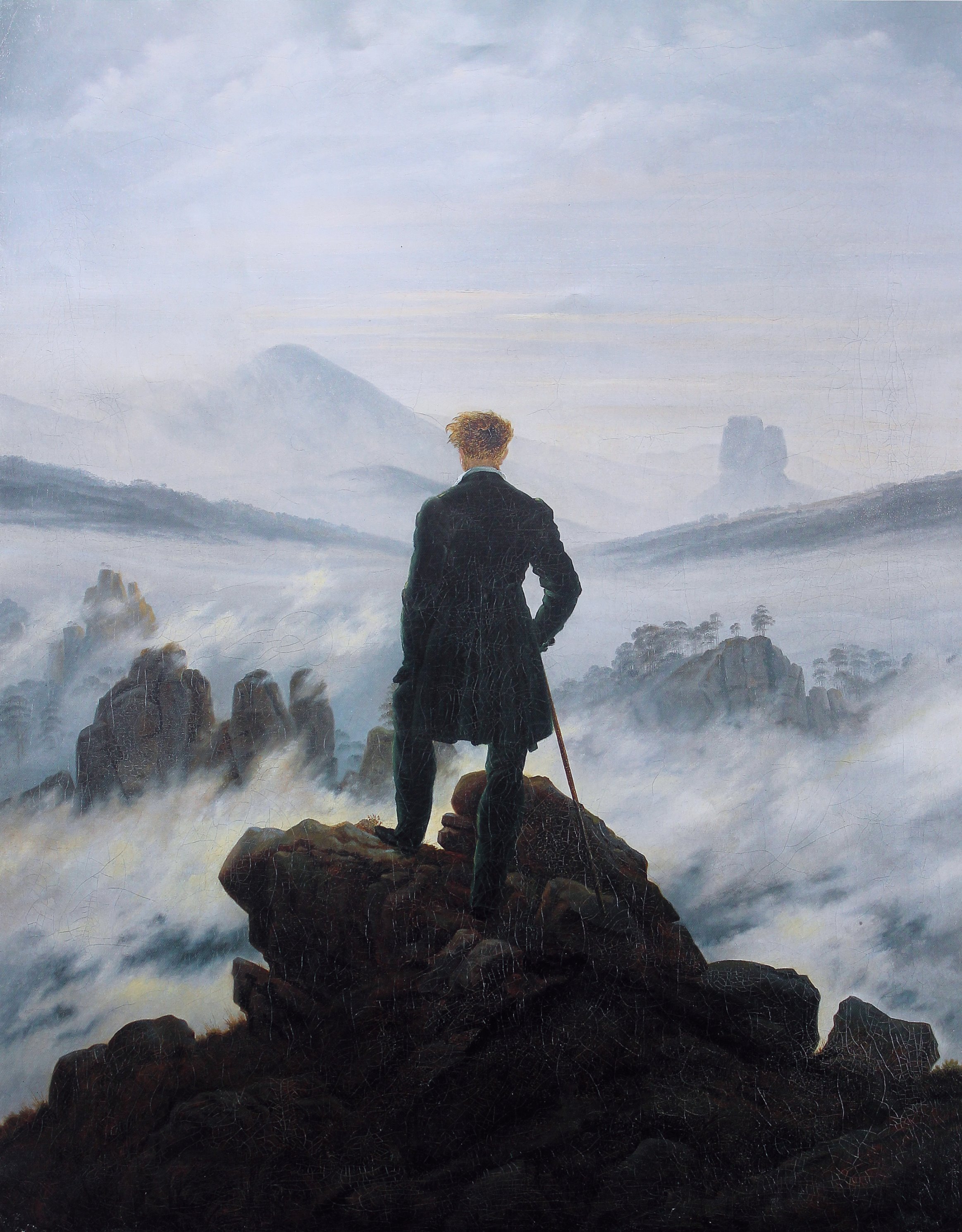 As we think about this week, the week of the second Sunday of Lent, we have opportunity to wonder about this anew. Even if we are in a position of great authority, we cannot control everything, nor can we extinguish all evil. Lent is about giving up, giving up our time, our pursuits, our hopes of lasting control. We acknowledge that if we try to control everything, we will inevitably end up creating a world of us and us alone, a world without any real point.
 Lent is one of God's ways of telling us that though we are remarkable creatures, seemingly capable of directing the course of our life and that of the world, we will never control it all. Lent reminds us that we are finite, that we have limits, that our marvelous attributes can only take us so far. Sooner or later, we encounter a bump: we realize that we are not so remarkable that we in ourselves can decide what we are and what existence means. How can we? We are only us.
We in Lent are like the "Wanderer above the Sea of Fog," standing before the world, its joy, its pain, watching, planning, waiting, yet unable to exercise ultimate control over that which we see.
Precisely. To live wisely, we must give up. We must give up who we are now to find whom we are, in truth, destined to be.