Monday, September 21, 2026

  Yom Kippur 2022: How To Celebrate - Farmers' Almanac     

     If we are honest with ourselves, we will admit that we do not always do the right thing.  No one among us eludes our own fallenness.  We all, as many religions put it, sin.  We all do not always do what pleases or sustains the divine fabric of the universe.

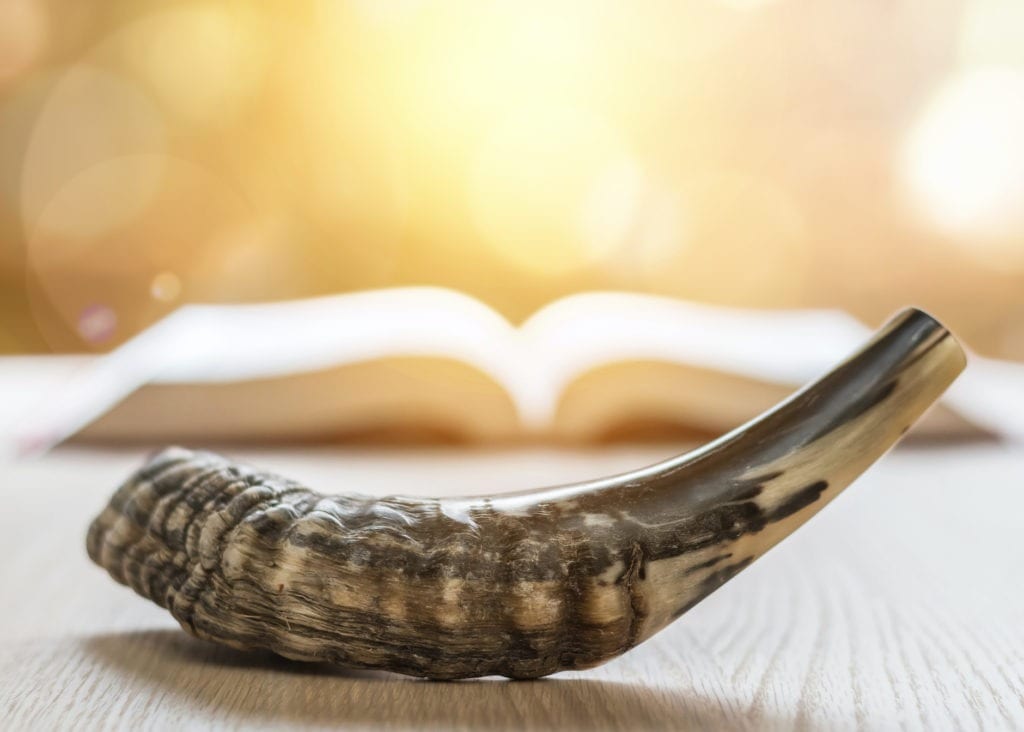
    Few religious groups understand this as well as the Jews.  Tonight, Jews around the world complete their celebration of Yom Kippur, the "Day of Atonement."  It's the most solemn day on their calendar.  They acknowledge their sinfulness before God.  They admit their wrongdoing, own up to their prevarications.  And they repent.  They tell God they are sorry for disobeying and violating his commandments and laws.  Then they announce their intention to begin anew to live lives that please their creator.


    So the Jews have done for many centuries, and so they will do for many centuries more.  Their faith remains.


    Although we may not agree with the specifics of the Jewish approach, and though we may not see wrongdoing in quite the same way, we must all admit that, to repeat, we do not always do the right thing.  Every one of us is (or ought to be) aware that, at times, he or she upsets the delicate balance of freedom and order that governs the cosmos.

      Moreover, if this balance is to be more than relative, we must acknowledge the fact of God.  The Jews recognize this clearly.  So do Christians, and so do Muslims.  And so do adherents of countless other religions.  Absolute and therefore genuinely meaningful morality is impossible without God.  Otherwise, repentance is no more than shouting in a situational darkness, the darkness of an accidental, and therefore, as scientist Steven Weinberg observes, pointless universe.


Saturday, September 12, 2026

    Think about our Jewish brothers and sisters today.  At sundown last night, Jews around the world entered into the most sacred time of their year:  the high holy days, the Days of Awe.  Beginning with Rosh Hashanah (the New Year), continuing with Yom Kippur (Day of Atonement), and culminating in Sukkot (Festival of Booths) these days give every Jew opportunity to reflect on the past and prepare for the future.  They're marked by repentance and reflection, singing and gathering, and reading and mediation.  These are days of intense inwardness--always in community--regarding one's relationship with his/her fellow human beings and God.

     All of us can learn from the Days of Awe.  All of us can profit from taking time to think, to really think about what and how we are doing with our life, about where we have been, spiritually, vocationally, and personally, and where we want to go, come tomorrow.  In this fractured, media driven age, we all can benefit from setting ourselves apart to ponder deeper things, to contemplating the greater meaning and realities in which we move.

    In doing this, we affirm that we are born for transcendence, that we are made to look beyond the immediate and present.  In these Days of Awe, our Jewish brethren remind us that we are more than material concoctions, more than nexuses of chemical exchange.  They tell us that we are creatures of this earth, yes, but simultaneously, creatures of something far greater than we can imagine.

     Enjoy your pondering.